Before morels: ceramics and mushrooms
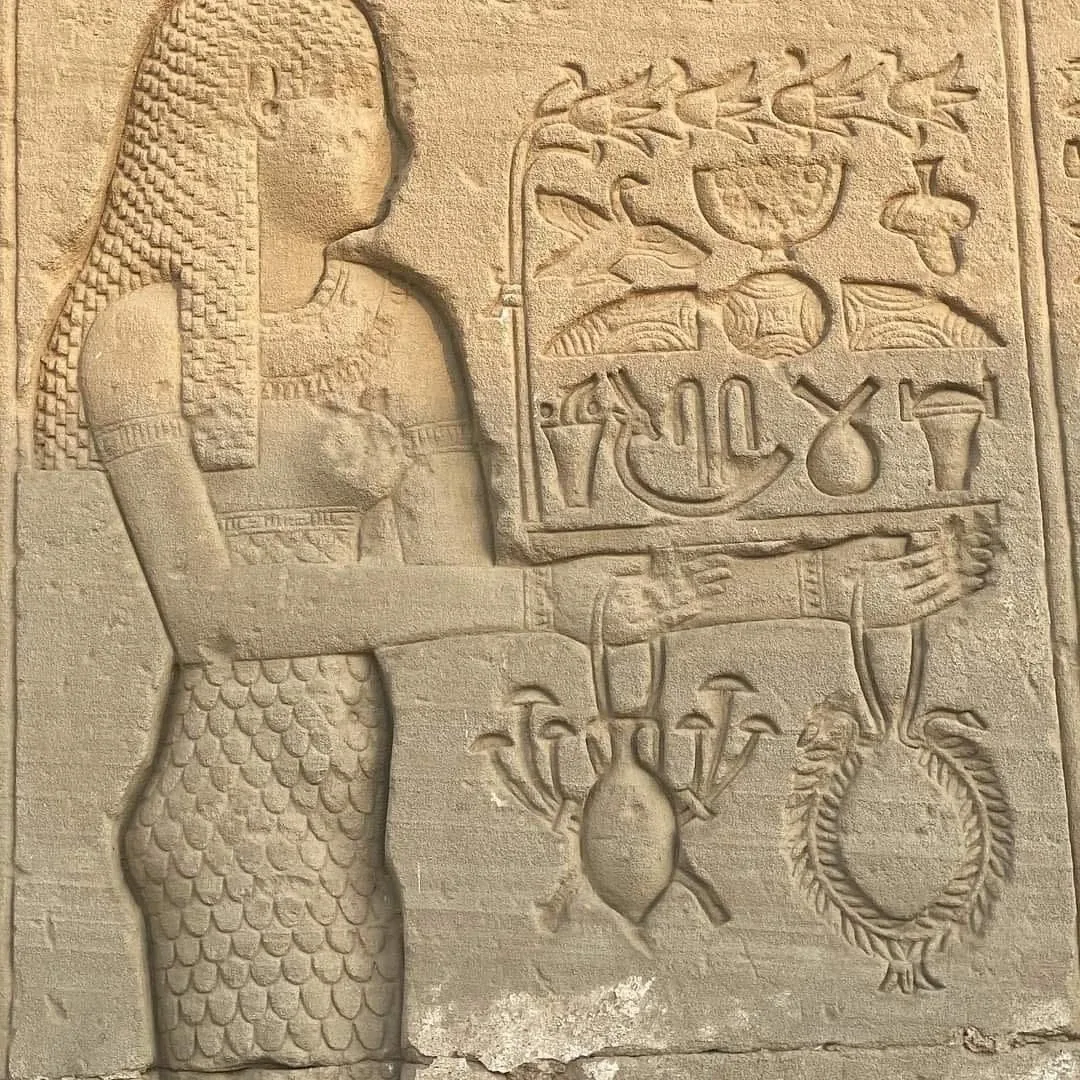
“As early as antiquity, terracotta amphorae were used in Europe to cultivate mushrooms such as the poplar mushroom.”
Jérôme Legros, mycologist
Long before experiments focused on morels, people sought ways to grow mushrooms close to home. Ancient practices involving poplar combined wood, water, and observation of mushroom flushes: agricultural recipes passed down in the Geoponica already describe attempts to make mushrooms appear on a stump.
The poplar mushroom belongs to this other history of cultivation. Jérôme Legros’s quotation connects it to terracotta amphorae: a human-made vessel that supports living organisms. It offers an early echo of the role ceramics would later play in the Ceramyca story.
The connection with the POD is an inspiration rooted in material and practice. Morel cultivation would develop its own methods much later: preparing an inoculum, managing its nutrition, and understanding the conditions for fruiting.
The dream of growing morels
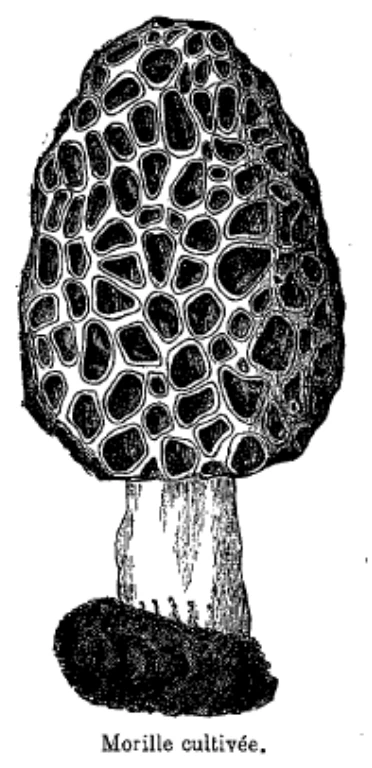
Long before bags of mycelium and shaded greenhouses, gardeners and botanists were already trying to encourage morels to grow. Publications record these efforts as early as 1872. In 1889, Baron d’Yvoire described a kitchen-garden cultivation method combining the introduction of morels in spring with an application of apple pomace in autumn.
These accounts traveled from gardens to scientific societies. In an article published in 1901, Dr. Charles Repin described mycelium progressing through tubes containing decomposed wood and leaf mold. The mushroom’s growth could be observed; obtaining morels was another challenge.
Repin reported a few morels appearing in May 1900 near a culture established eight years earlier. The following year, he observed morels around experiments prepared five years before. These delays reveal the pioneers’ patience and the difficulty of connecting a harvest to a particular intervention.
At the beginning of the twentieth century, Marin Molliard explored cultivation and the mushroom’s forms. Jean Costantin was still reporting experiments with buried organic matter in 1936. Researchers sought the right practices by observing nature, but results remained difficult to reproduce.
These early experiments opened a path. They belong to their time: the apples and fresh materials used in those trials are not part of the current preparation of Ceramyca growing beds.
Fruiting becomes a laboratory research question
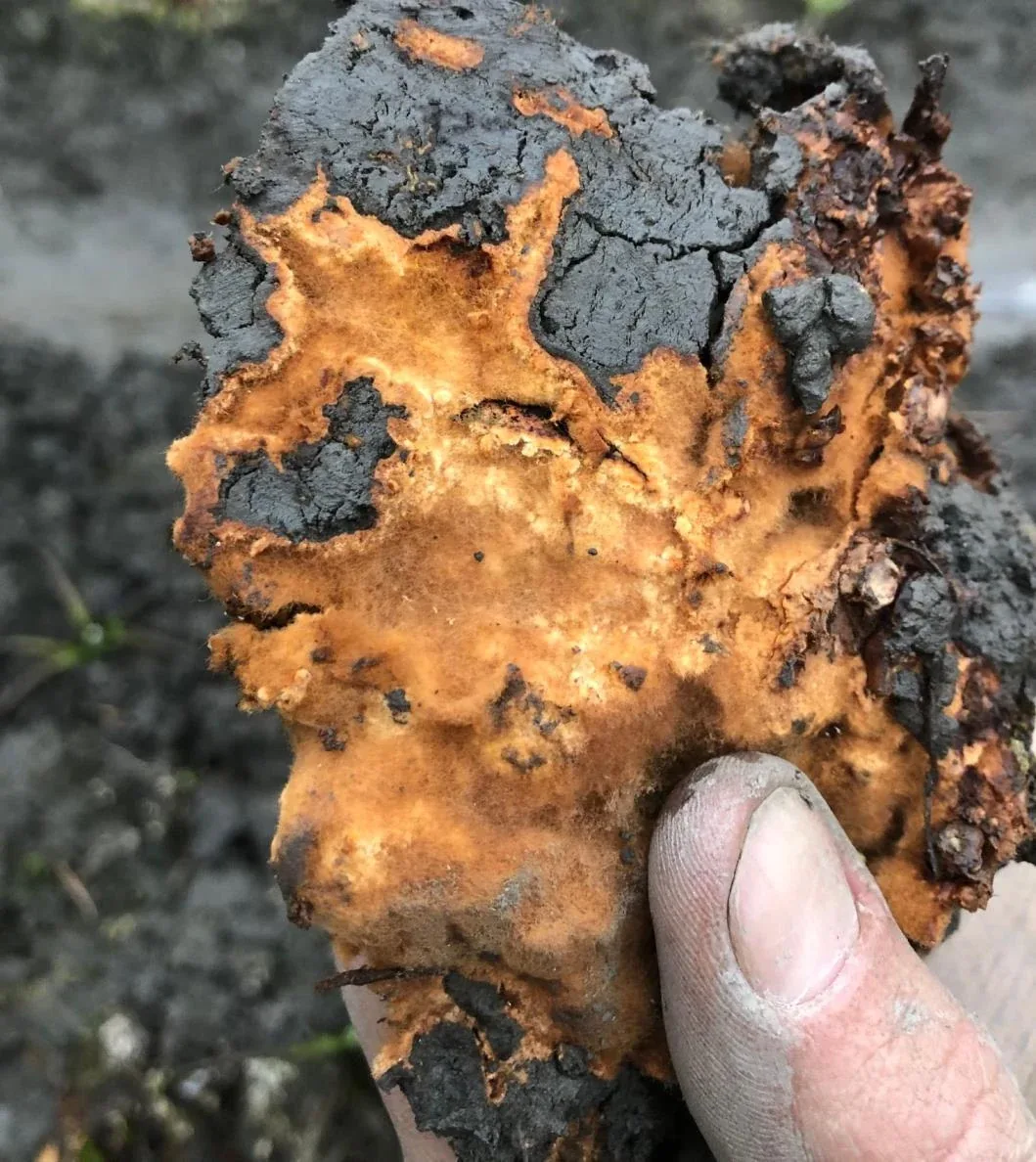
In 1982, Ronald Ower published an account of fruiting achieved in cultivation. This result gave research new momentum: the transition from mycelium to morel could be studied under organized conditions.
Sclerotia took a central role. These storage structures prompted a new view of nutrition: where does the mycelium find resources, where does it store them, and when does it use them?
The contrast between a nutrient-rich medium and a poorer medium became a guiding principle. Growing mycelium was now only the first part of the problem.
Ower, Mills, and Malachowski: from a result to a process
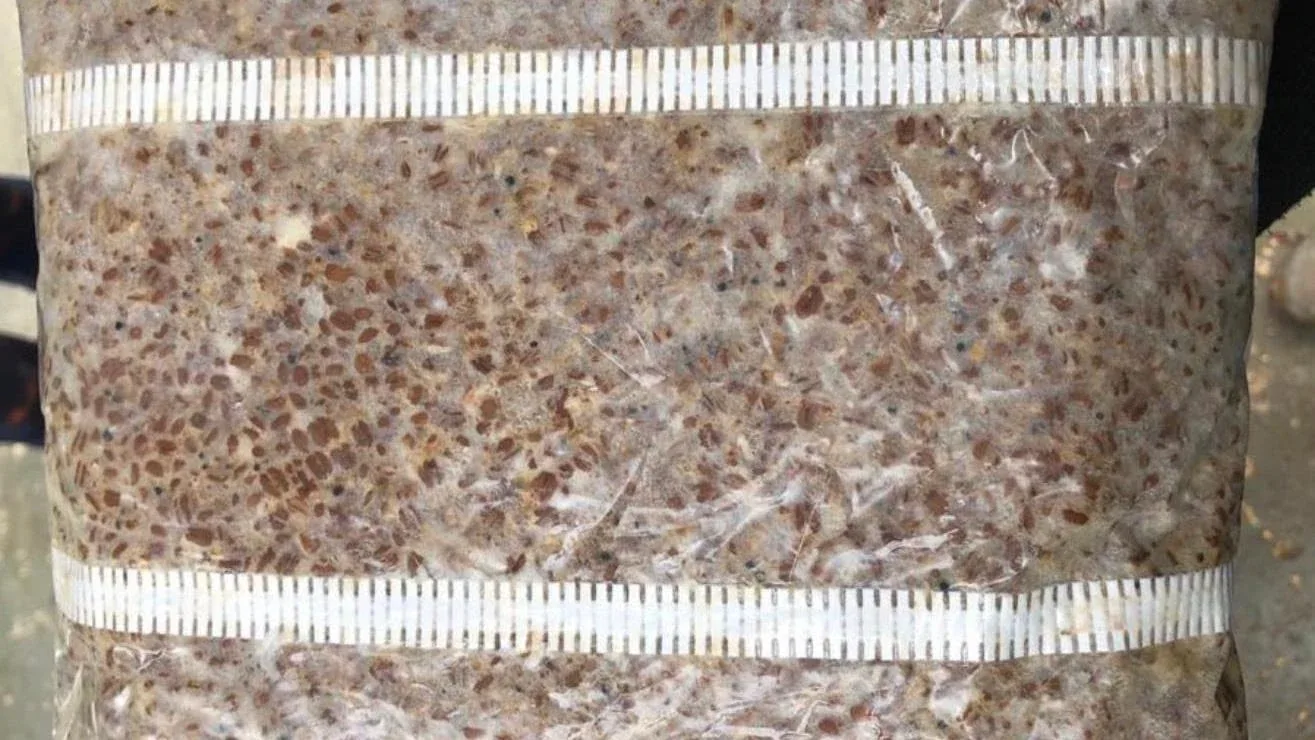
Ronald D. Ower, Gary L. Mills, and James A. Malachowski filed US patent US4594809A on April 29, 1985. It was published on June 17, 1986. Experimental fruiting became a process described step by step.
The cycle links mycelium preparation, sclerotia production, their substrate, and water management. The challenge changes: several successive phases must be managed, and the conditions that allow the transition from one to another must be reproduced.
Describing a process does not convey all the know-how
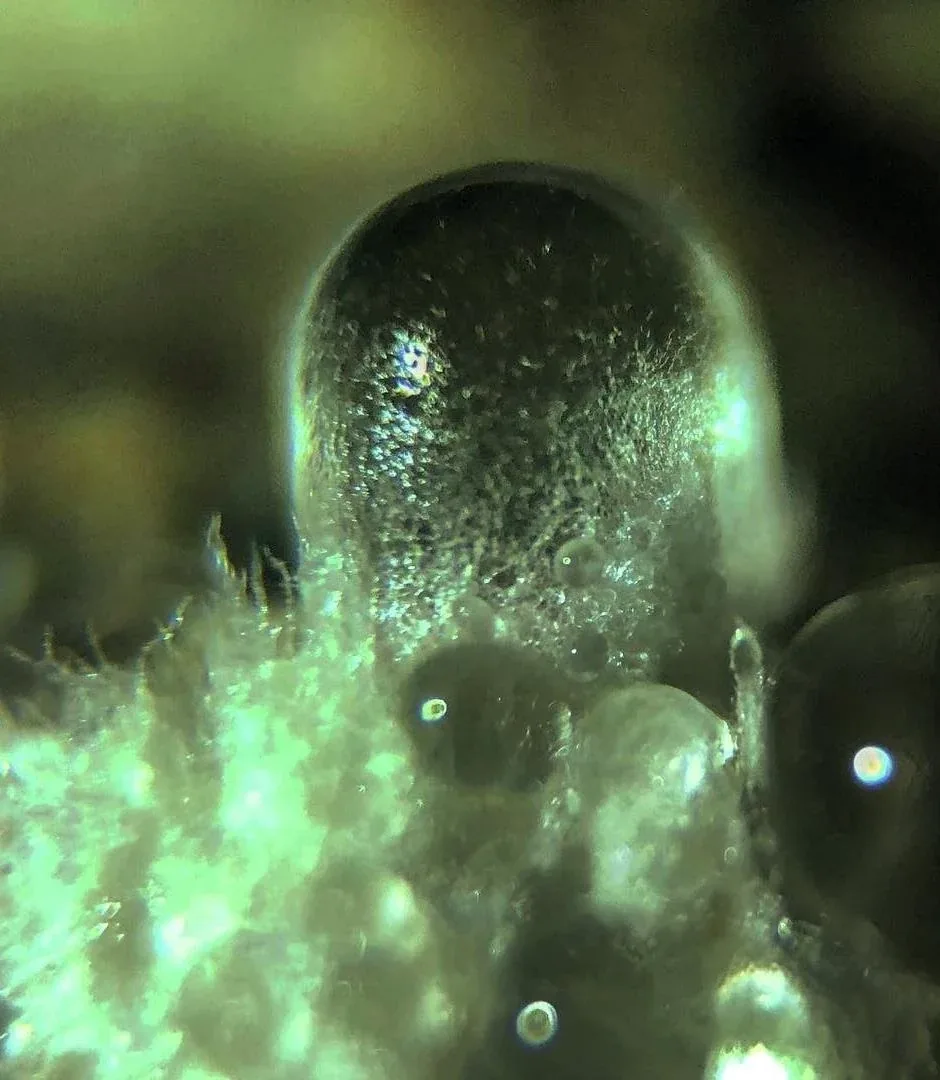
Soilless cultivation organizes a succession of growing media. Reserves form before being transferred to a less nutritious substrate. Cold, water, and renewed growth then support fruiting.
But a precise description does not convey all the know-how. Strains, their condition, and growing conditions strongly influence whether results can be reproduced. The role of microorganisms and the differences between laboratory and field continue to inform research.
Morels resist oversimplified recipes. A method must be understood as a whole: changing one step can alter what happens several months later.
Open-ground cultivation and nutrient bags
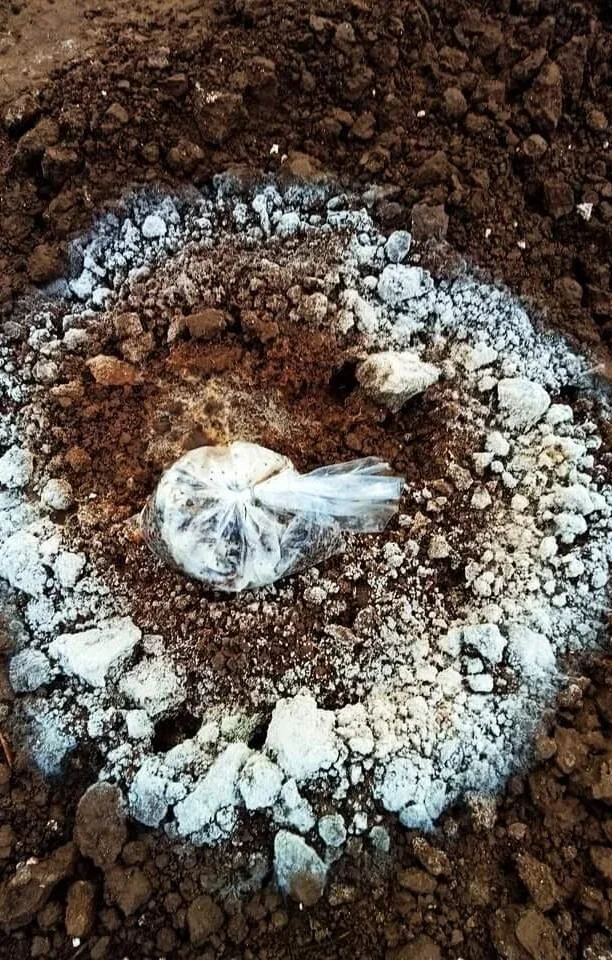
Chinese open-field methods changed the scale of cultivation. The soil is prepared and then inoculated. Once the mycelium has established itself, supplementary nutrient bags are placed within its reach.
These bags, often called ENBs, concentrate food at points connected to a less nutrient-rich soil. The nutritional contrast becomes part of a field practice shaped by winter, shade, and water.
At a larger scale, biological success also requires agricultural organization: producing inputs, preparing growing areas, monitoring the climate, and making results more consistent. Each site calls for adjustments to the practices.
Healthy-looking mycelium does not tell the whole story
Trials from this period highlight an essential difficulty: vigorous mycelium and numerous sclerotia do not always lead to the hoped-for harvest. Invisible stages matter as much as encouraging signs at the surface.
Storage, the age of the mycelium, and planting date become important points to watch. Keeping a record of a season makes it possible to revisit the actual conditions without turning an isolated failure into a general rule.
Photographing progress, recording temperatures, and noting interventions deepen understanding. Seasons without a harvest also have something to teach the next ones.
Cultivation becomes a shared experience
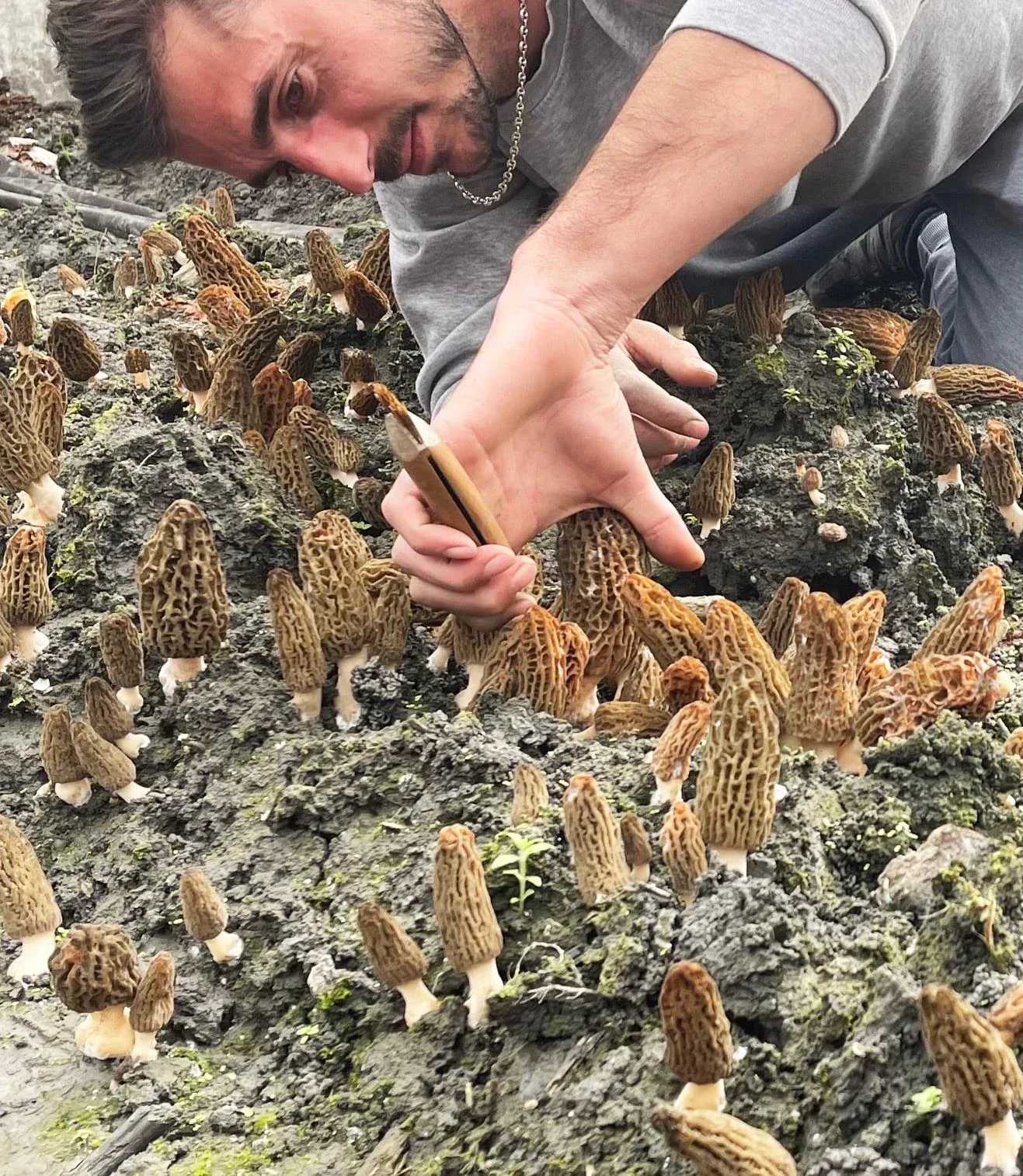
Amateurs, associations, and growers share their observations. Online exchanges connect distant growing sites: a soil question, a first mushroom, or uncertainty about watering becomes an opportunity to learn together.
This sharing becomes more valuable when the conditions remain visible. A date, a temperature, and a photograph taken in the same place tell more than a harvest figure alone. Know-how also develops through this attention to context.
Ceramics meet living soil
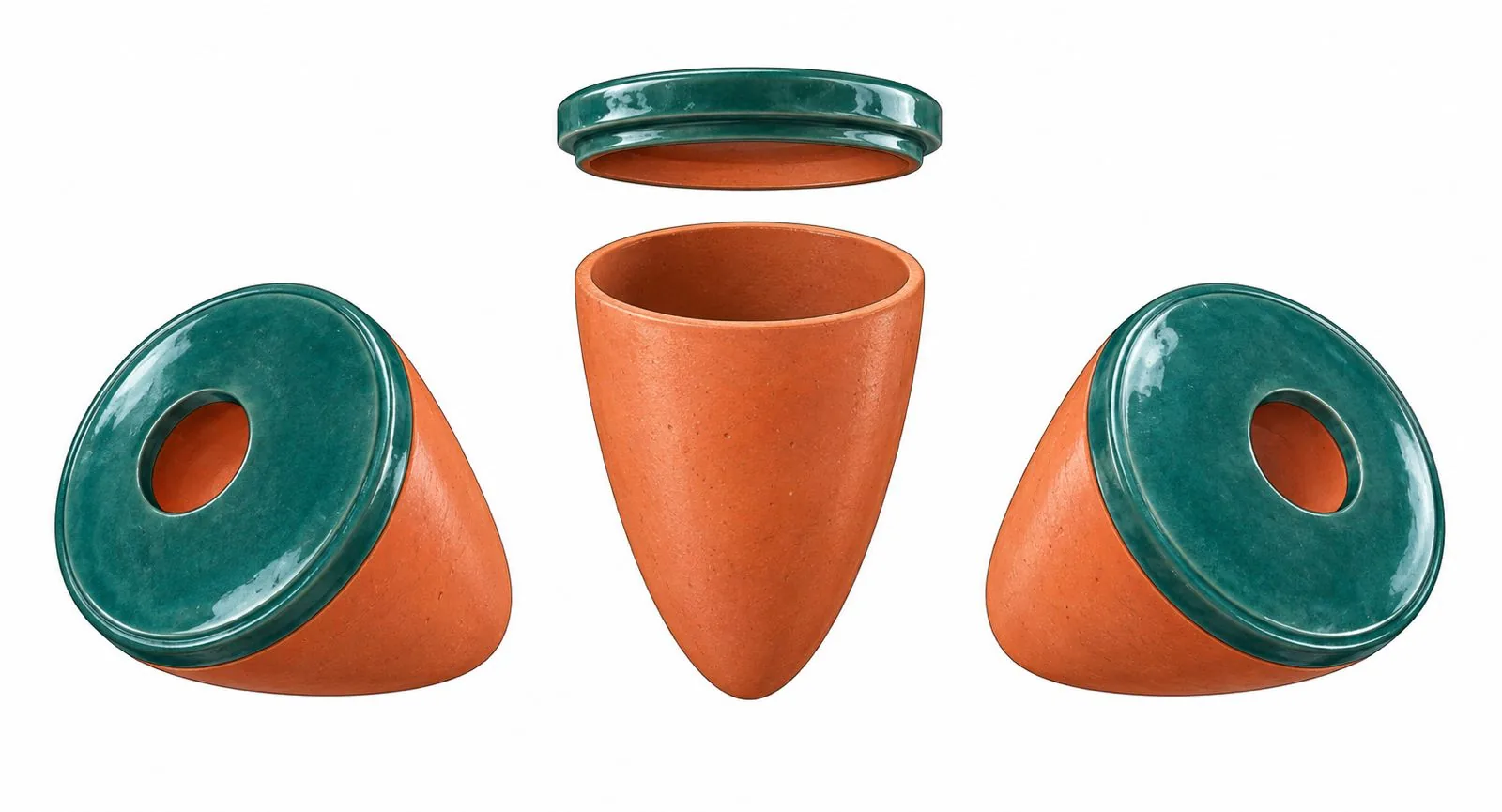
Ceramyca continues this journey with a probiotic approach: connecting a nutrient reserve, mycelium, and the soil’s bacterial life. The POD gives this meeting a concrete form.
Its porous terracotta accommodates the mycelium’s bacterial partners. Its lid directs growth toward the surface. At the end of the season, the container is recovered, emptied, and prepared again.
The Gardener POD is self-contained for nutrition; the POD PRO is used with nutrient bags. From choosing the soil to reusing the ceramics, an entire season must be learned and managed, in the garden as well as on the farm.
Understand living systems.
Learn to cultivate.
This long history of curiosity brings us back to a simple question: what does the morel need here, in this soil? It is your turn to follow the thread, from soil to harvest.