One crop, an entire environment
The morel is more than what we harvest in spring. Underground, its mycelium explores the environment, finds food, and builds reserves. Cultivation supports this succession: installation, incubation, nutrition, vernalization, fruiting, and finally harvest.
We develop a probiotic approach to market gardening and agroforestry. The strain, soil, bacteria, water, and shelter form a whole: each plays a role throughout the season.
From Ower and Mills’s work on nutrition to ancient uses of terracotta for growing mushrooms, the same question runs through these experiments: how can we organize an environment favorable to living organisms? The POD continues this research in garden and farm soils.
Cultivation starts with a saprophytic strain suited to its habitat. Its ability to use organic matter, and its suitability for the site, matter as much as the choice of inoculation system.
From a rich medium to a poorer medium
Nutritional contrast is at the heart of cultivation. Mycelium has a concentrated food source, while the surrounding soil is relatively less nutrient-rich. Movement between these two environments contributes to the formation of sclerotia: reserves used in the next stages of the cycle.
Nutrient grains mixed directly into the soil remain in the growing area after the season. They can prolong the mycelium’s activity and its consumption of bacterial resources. With the POD, the initial reserve stays localized: growth is directed toward the surface, and the container is recovered after harvest.
Traditional sowing allows mycelium to explore in all directions. Its effort is dispersed, and sclerotia may be positioned too deep. The POD opening directs initial growth toward the surface to favor reserves in the fruiting zone. This placement also creates precise connection points for external nutrition.
Ceramics at the heart of the Ceramyca approach
In our probiotic approach, terracotta serves as an interface: it contains iron oxide, and its pores retain beneficial bacteria, particularly Pseudomonas putida, in contact with the mycelium. Their exchanges contribute to morel nutrition during vernalization.
The Gardener POD contains its own nutrition. The POD PRO is part of a growing system that uses supplementary nutrient bags. In both cases, site preparation and climate monitoring remain essential.
We pursue three goals: improving production potential, making repeated cultivation possible, and preserving the sensory qualities of morels. Success also depends on the strain, the growing site, and the care given throughout the season.
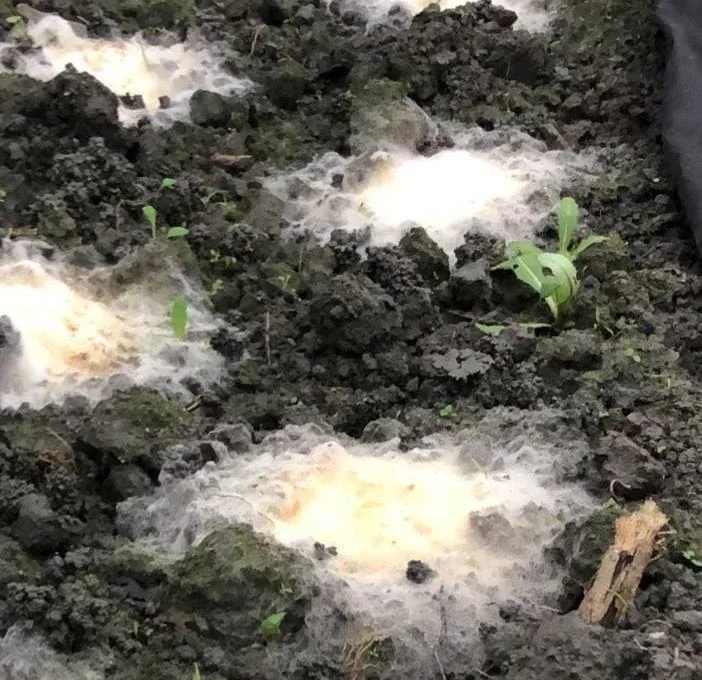
Mycelium is a stage, not yet a harvest.
Support the cycle through reserve formation and then fruiting.